


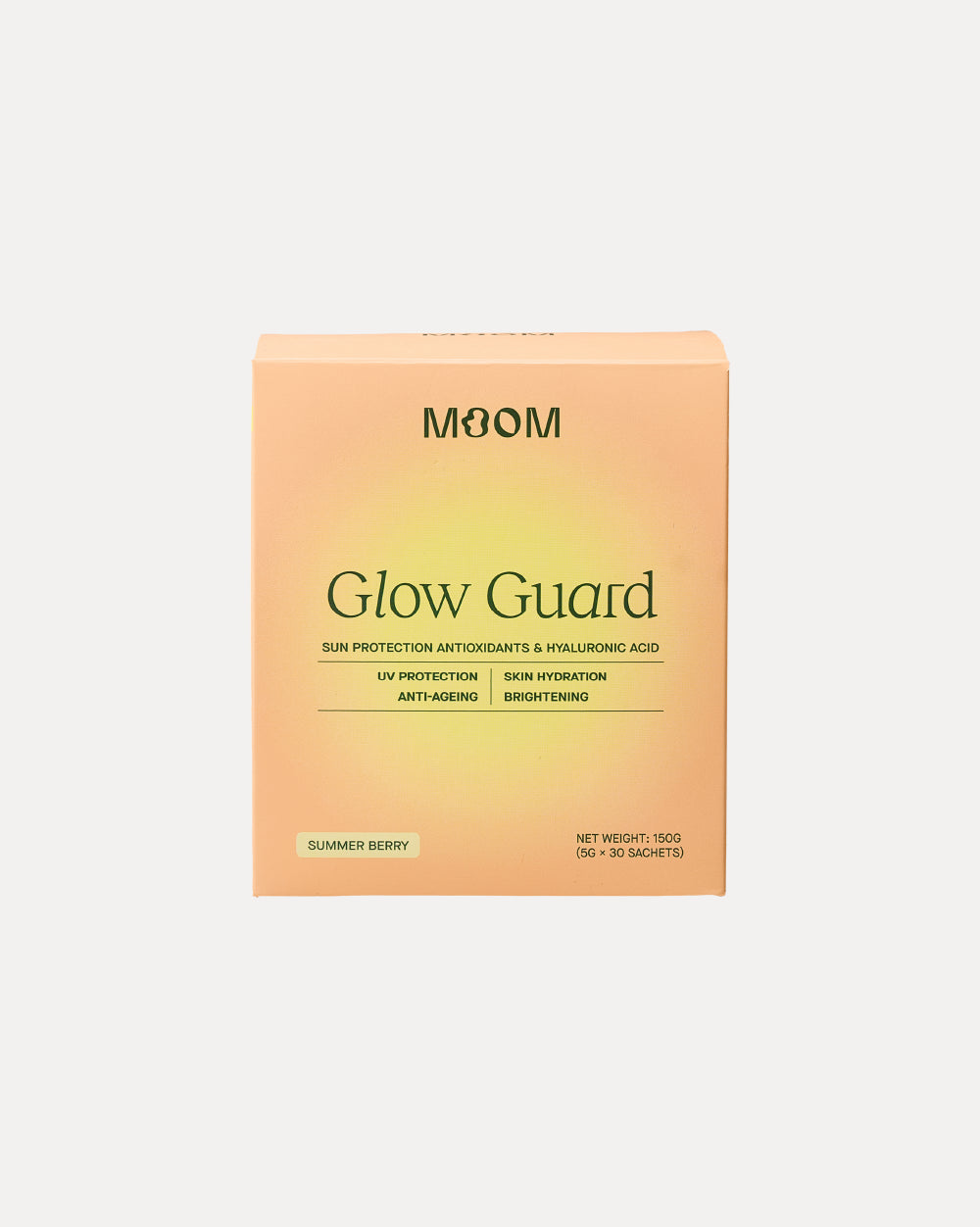


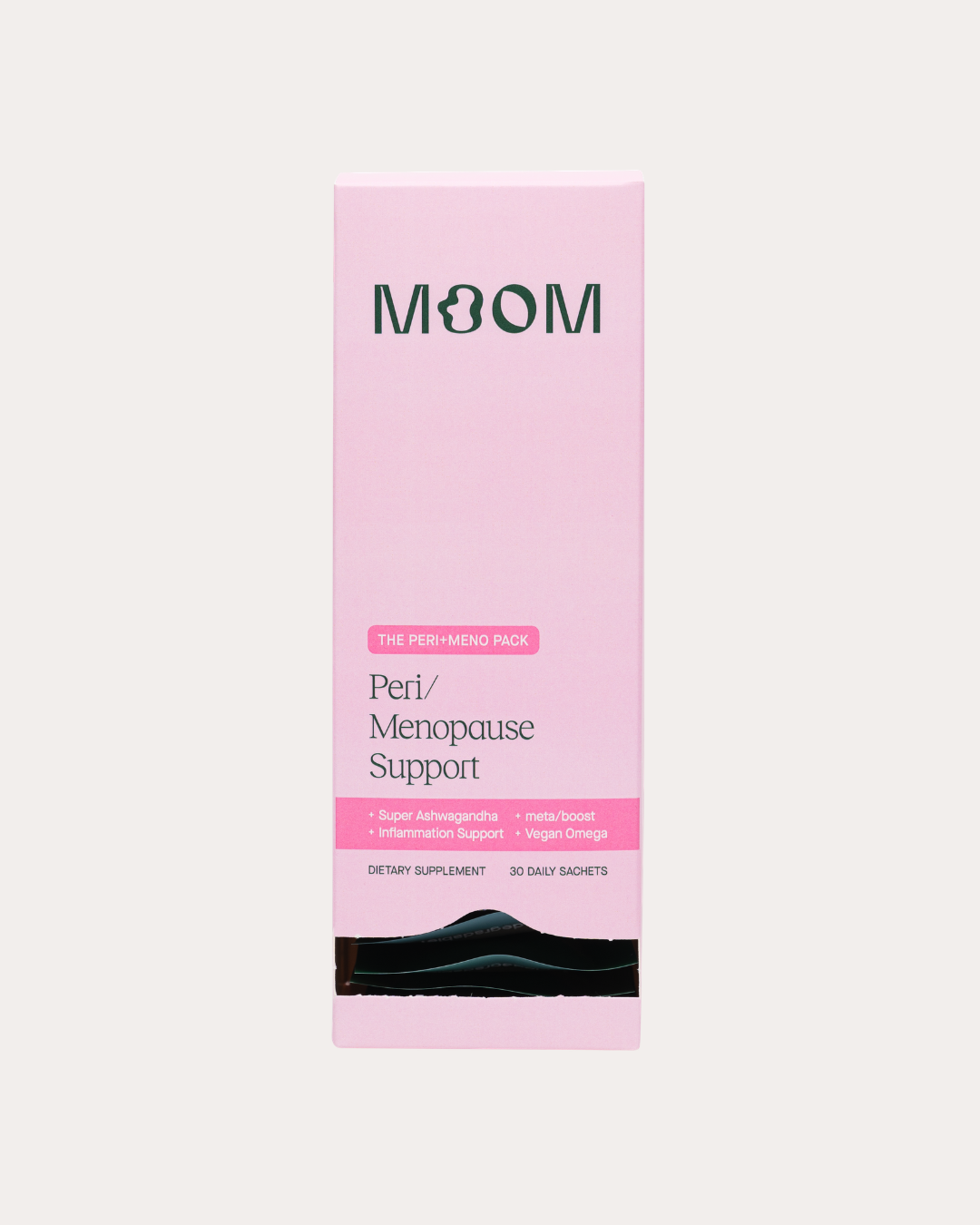
Step into any beauty store today and you'll notice a change from ten years ago. Alongside creams and serums, you'll spot stylish containers of pills and powders that claim to boost skin health from within. This isn't just another product line. It shows a big change in how beauty companies talk to customers and how people think about taking care of their skin.
Seeing skin supplements in regular beauty shops shows where skincare meets diet where health trends mix with makeup. People now see beauty as something that starts inside, not just stuff you put on your face. This blend opens doors for brands to sell products that don't fit into old categories.
This article looks at how skin hydration supplements have made their mark in the beauty industry. We're looking into marketing stories, how ingredients are described, what consumers think, and the rules that affect how these products show themselves to possible customers.

The Emergence of Skin Hydration Supplements
For years, skincare meant stuff you put on your face. You'd use cleansers, toners, and moisturizers. People could see and touch these products. But then companies started to wonder: could eating certain things make your skin look better? This idea wasn't new. Many old cultures had long linked food to healthy skin using things like bone broth, fish oils, and certain plants.
Today's beauty companies took these old ideas and dressed them up with fancy-sounding ingredients and cool packaging. The idea of "beauty from the inside" grew into its own type of product, even getting its own space on store shelves. The trend toward wellness played a big part in this change. As people got more interested in overall health, eating clean, and living their best lives, they became more open to taking supplements for good skin as part of their daily health habits.
Hydration became a key focus. People get what hydration means at its core. We're aware our bodies need water. We've seen how dry skin appears lackluster and feels taut. Promoting skin hydration supplements based on this known idea made it easy for buyers who might doubt other beauty supplement claims to give them a try.
How Hydration Is Framed in Beauty Marketing
When brands market these products, they rarely lead with complex biochemistry. Instead, they employ specific visual and emotional strategies:
Hydration as a Visual and Emotional Concept
Marketing materials consistently emphasize:
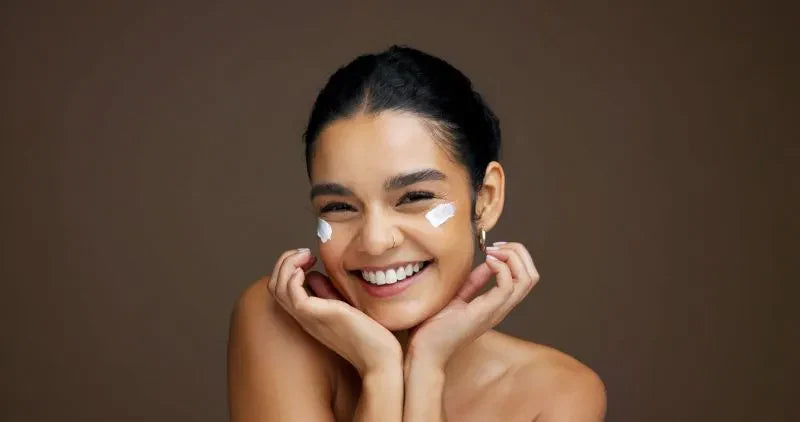
- Close-up photography of smooth, luminous skin with visible light reflection that suggests dewiness
- Water droplets, botanical elements, and natural imagery suggesting purity and freshness
- Language evoking that sought-after glow and the feeling of skin that's healthy from within
The emotional framing positions hydrated skin as the foundation of confidence, the prerequisite for flawless makeup, the marker of someone who takes care of themselves. It's aspirational without being completely out of reach, unlike promises about defying aging or erasing wrinkles entirely.
Scientific vs. Aesthetic Language

Product packaging walks a fine line. You’ll often see terms like hyaluronic acid, bioavailable collagen peptides, or ceramide precursors next to phrases such as radiant from within or your skin’s best friend. That mix does a few things.
The scientific words add credibility and suggest the product isn’t just wishful thinking. Those ingredients also feel familiar from topical skincare, so they connect known treatments to this newer category. At the same time, the softer, aesthetic language keeps the message emotional and approachable.
The Good Skin Narrative
The phrase good skin is intentionally vague, and that vagueness gives it considerable marketing power.
Positioning Supplements for Good Skin
Good skin means different things to different people. For some, it's about minimizing breakouts. For others, it's reducing visible signs of aging. For many, it's simply skin that looks healthy and feels comfortable.
Products like supplements for glowing skin appeal broadly precisely because they avoid making overly specific promises. They position themselves as universal solutions that slot into existing routines as an enhancement rather than a cure.
Common positioning strategies include:
- Emphasizing support, nourishment, and foundation rather than dramatic transformation
- Using non-clinical terminology to avoid regulatory scrutiny of medical claims
- Targeting wellness-oriented consumers seeking holistic approaches to beauty
- Creating packaging that mirrors high-end skincare rather than traditional vitamin aesthetics
Research on the inside-out beauty approach has gained traction in recent years. According to a study published in the Journal of Clinical and Aesthetic Dermatology, oral supplementation with certain compounds may influence skin hydration and overall appearance, though the specific mechanisms and long-term efficacy continue to be subjects of ongoing scientific investigation.
Common Ingredients in Skin Hydration Supplements
Formulations typically feature ingredients that sound familiar to skincare enthusiasts:
- Hyaluronic acid: capitalizes on widespread name recognition from topical hydration products
- Collagen peptides: marketed to counteract the natural age-related decline in collagen production
- Ceramides: positioned as support for the skin's natural moisture barrier
- Vitamins C and E: linked to collagen synthesis and antioxidant protection
- Plant extracts and botanicals: offer natural wellness appeal and antioxidant benefits
Familiarity with ingredients is a strong way to build trust. When people see components they already use in their skincare, switching to an oral supplement feels less risky. It doesn't seem like they're being asked to accept something totally new.
Still, recognizing an ingredient topically isn't the same as proving it works when taken by mouth. An ingredient that helps the skin when applied directly won't automatically give the same benefits when consumed, because the body absorbs and distributes oral supplements differently.
How Claims Are Structured
Regulatory bodies like the FDA maintain strict guidelines about health claims on supplements.
Implied vs. Explicit Claims
Products can't legally claim to treat, cure, or prevent diseases without going through strict drug-approval processes. That forces brands to be careful with language, suggesting benefits without stating them outright. You won't usually see a product promise to cure dry skin; instead, it might say it supports skin moisture or helps maintain healthy hydration. The difference is subtle but legally important.
Some supplements aimed at glowing skin use before-and-after pictures or customer testimonials to imply results without making direct claims. Others lean on ingredient lists, trusting that informed consumers will connect the dots. That shifts the burden of interpretation onto the buyer while the brand avoids making explicit promises.
Time-Based and Outcome Messaging

Brands typically employ these carefully crafted messaging approaches:
- Time commitments suggesting visible results in four to twelve weeks, with consistent use
- Subjective descriptors like comfortable, balanced, resilient, or nourished that are difficult to objectively dispute
- Comparative rather than absolute language, like helps skin look its best or supports your natural radiance
- Professional endorsements, like clinically tested or dermatologist-approved, add credibility without specific efficacy claims
Products positioning themselves as supplements for glowing skin particularly favor this comparative language. By avoiding specific baseline conditions or guaranteed outcomes, they create broad appeal while staying within regulatory boundaries.
Conclusion
The way these products are positioned says a lot about how people now link wellness and looks. They sit in a curious middle ground between skincare, nutrition, and lifestyle branding, using marketing that mixes scientific-sounding terms with emotional appeal.
Phrases like "good skin" and "glowing skin" act as flexible, non-clinical anchors. They're aspirational enough to drive purchases but vague enough to avoid regulatory trouble and fit different personal expectations.
Understanding how these products market themselves doesn't mean you have to endorse or reject them. It just means seeing the stories they're telling, the claims they make or avoid, and how people’s desire for healthy, hydrated skin gets turned into strategic product positioning. In an industry built on aspiration and transformation, these ingestible beauty products have carved out their place.


Leave a comment
This site is protected by hCaptcha and the hCaptcha Privacy Policy and Terms of Service apply.