




Immune System Supplements: How to Fortify Your Body Against Stress and Illness
Most people reach for immune system supplements when they already feel run-down — but the science suggests that building a strong defense before illness strikes is what really makes a difference. Key nutrients like Vitamin C, Vitamin D, zinc, and probiotics help keep your immune function sharp, especially when stress is high. This article walks through the most effective options, what the research actually says, and how to combine them with smart daily habits for the best results.
Most of us know the feeling all too well: you push through weeks of deadlines, poor sleep, and rushed meals — and then your body sends a firm notice in the form of a cold, a sore throat, or that heavy sense of exhaustion that just won't lift. Stress and illness are deeply connected, and in a world where most adults are running on overextended schedules, this cycle has become almost ordinary. The good news is that targeted nutrition and supplementation can make a real difference. Done right, supplements to boost immune system health become one of the most practical tools you have to stay well year-round.

Understanding the Immune System and What Weakens It
Before reaching for any supplement, it helps to understand what the immune system actually does — and what gets in its way.
What Is the Immune System?
The immune system is the body's built-in defense network — a collection of organs, tissues, cells, and proteins that work together to identify and neutralize threats. It has two main branches: the innate immune system, which acts fast and broadly, and the adaptive immune system, which learns and targets specific pathogens over time. White blood cells, antibodies, the lymphatic system, and the gut microbiome all play critical roles in keeping this network running.
When everything works well, you barely notice it. When it's compromised, you feel every cold that passes through your office.
Factors That Weaken the Immune System
Several common lifestyle and nutritional factors can dial down immune function:
- Chronic stress: Prolonged stress raises cortisol levels, which suppresses the inflammatory response and reduces the production of protective white blood cells. Over time, this leaves the body less capable of fighting off infections.
- Poor sleep: During sleep, the body releases cytokines — proteins that help fight infection and inflammation. Cutting sleep short reduces their production.
- Nutritional deficiencies: Low levels of vitamins A, C, D, B6, B12, zinc, selenium, and folate have all been associated with weaker immune responses.
- Sedentary behavior: Physical inactivity is linked to higher rates of infection and slower recovery.
- Excessive alcohol and smoking: Both directly impair immune cell activity and damage the mucous membranes that act as the body's first barrier against pathogens.
Understanding these vulnerabilities is the starting point. From there, immune system supplements can help fill the gaps.
Key Supplements to Boost Your Immune System
Not all supplements are created equal — some have strong clinical backing, while others are still being studied.
Vitamin C
Vitamin C is probably the most well-known nutrient for immune support, and the recognition is earned. It supports the function of various immune cells, acts as a powerful antioxidant to protect tissues from oxidative stress, and may reduce the severity and duration of upper respiratory infections. The body doesn't produce or store it, which means daily intake — whether from food or supplementation — is essential. Adults typically need between 65 and 90 mg per day, though higher amounts are commonly used therapeutically.
Vitamin D
Vitamin D does far more for immunity than most people realize. Beyond bone health, it helps regulate both the innate and adaptive immune systems, plays a role in reducing inflammation, and may slow the ability of some viruses to replicate. Many adults are deficient without knowing it — especially during winter months — making supplementation a reasonable step for most people.
A 2022 peer-reviewed analysis published in the International Journal of Molecular Sciences found that low serum Vitamin D levels are consistently linked to a higher risk of autoimmune diseases and respiratory infections, concluding that maintaining adequate status is a meaningful health priority across all age groups.
Zinc
Zinc is sometimes called the "gatekeeper" of the immune system, and that label fits. It's required for the production and activity of nearly every type of immune cell, and deficiency leads to measurable drops in immune response.
The clinical evidence backs this up: a randomized, double-blind, placebo-controlled trial involving 96 children with acute lower respiratory infections found that those taking 10 mg of zinc gluconate daily had significantly fewer infection episodes than the placebo group — 20.8% versus 45.8% — along with faster recovery and more infection-free days overall. Short-term supplementation at appropriate doses is generally safe for healthy adults, though going above 150 mg per day can paradoxically suppress immune function and cause copper deficiency.
Probiotics
The gut is home to roughly 70% of the immune system's activity, which means gut health and immune health are inseparable. Probiotics — live beneficial bacteria found in fermented foods and supplements — help maintain a healthy microbiome, reduce gut inflammation, and support the production of antibodies. Regular probiotic use has been linked to reduced frequency and duration of respiratory infections, particularly in people under stress or those with disrupted gut flora.
Elderberry
Black elderberry (Sambucus nigra) has been used medicinally for centuries, and modern research has begun to validate some of those traditional uses. Studies suggest elderberry extracts may help relieve cold and flu symptoms and shorten recovery time. It's available in syrups, lozenges, and liquid extracts. Worth noting: the ripe, cooked berry is safe, but raw or unripe elderberry can cause gastrointestinal upset — stick to properly prepared supplements.
Other Immune-Boosting Supplements
Several other nutrients are worth mentioning:
- Selenium: An essential mineral that activates the immune system when threats are detected, while also signaling it to stand down when the threat is gone — helping prevent chronic inflammation.
- Vitamin E: A fat-soluble antioxidant that supports T-cell performance. Food sources like nuts and seeds are often preferred over high-dose supplements.
- Astragalus: An herb from traditional Chinese medicine with promising immune-modulating properties in preliminary research.
- Garlic (allicin): Contains compounds with documented anti-inflammatory, antiviral, and immunomodulatory effects.
The Connection Between Stress and Immunity
Stress doesn't just affect your mood — it has measurable, well-documented effects on how well your immune system performs.
How Stress Affects Your Immune System
The relationship between stress and immunity is not just anecdotal — it's well-established in the research. When the body perceives stress, it activates the hypothalamic-pituitary-adrenal (HPA) axis, releasing cortisol. In short bursts, this is helpful.
Chronically elevated cortisol, however, suppresses the production of immune-defending cytokines, reduces lymphocyte counts, and impairs the body's ability to mount an effective response to infection. This is why people often get sick right after a high-stress period ends — the body has been running on cortisol-fueled overdrive, and the immune system has been quietly sidelined.
Stress also disrupts sleep, increases inflammation, and throws off gut bacteria balance — all of which compound the immune effects.

The Role of Supplements in Reducing Stress and Supporting Immunity
This is where supplements to increase immune system resilience become particularly useful. Vitamin D, zinc, and B vitamins all help regulate the stress response at a physiological level. Adaptogens like ashwagandha have been studied for their ability to reduce cortisol levels. Magnesium, often depleted during periods of stress, supports both nervous system function and immune health. Probiotics may help reduce the immune dysregulation caused by stress-related changes in the gut microbiome.
The goal isn't to replace stress management strategies — it's to give the body additional resources to cope with the physiological consequences of stress while those strategies are put in place.
Complementary Lifestyle Tips for Immune Health
Supplements do more when they're paired with habits that support the body from multiple angles.
Proper Diet for Immune Support
No supplement fully compensates for a poor diet. The foundation of immune health is a varied, nutrient-dense eating pattern that includes:
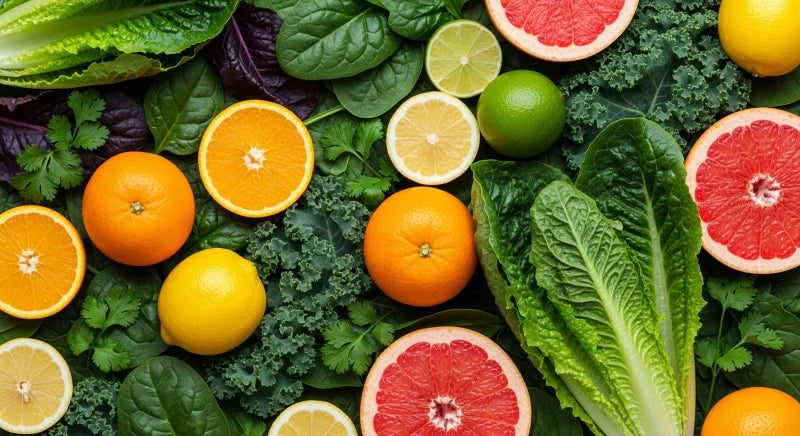
- Plenty of fruits and vegetables (especially those rich in vitamins A, C, and antioxidants)
- Whole grains, legumes, and lean proteins
- Fermented foods like yogurt, kefir, and sauerkraut for gut support
- Healthy fats from olive oil, nuts, and fatty fish (which also provide Vitamin D and omega-3s)
Minimizing processed foods, excessive sugar, and alcohol all reduce the baseline inflammatory load on the immune system, making it more responsive when it needs to be.
Exercise and Its Impact on Immunity
Regular moderate exercise is one of the most consistent immune health strategies in the research literature. Physical activity increases circulation, helps flush bacteria from the lungs, promotes healthy levels of stress hormones, and activates immune cells. Aim for at least 150 minutes of moderate-intensity activity per week — brisk walking, cycling, swimming, or anything that raises the heart rate without exhausting the body.
Extreme or prolonged intense exercise, on the other hand, can temporarily suppress immune function, which is worth keeping in mind for endurance athletes.
Getting Enough Rest and Managing Stress
Sleep is when immune memory is consolidated, cytokines are released, and tissue repair occurs. Adults need seven to nine hours per night for optimal immune function. Even a few nights of significant sleep deprivation measurably reduces antibody production and natural killer cell activity.
For stress management, practices like mindfulness meditation, breathwork, time in nature, and social connection all have documented effects on cortisol levels and immune regulation. When combined with the right supplements to boost immune system function, these habits create a much stronger defense than any single approach on its own.
Quick Reference: Top Immune Supplements at a Glance
|
Supplement |
Primary Immune Role |
Suggested Daily Dose |
Best Form |
|
Vitamin C |
Antioxidant; supports immune cell function |
500–1,000 mg |
Ascorbic acid or liposomal |
|
Vitamin D3 |
Regulates innate & adaptive immunity |
1,000–2,000 IU |
Softgel with a fat-containing meal |
|
Zinc |
Immune cell production; antiviral activity |
8–15 mg |
Zinc gluconate or citrate |
|
Elderberry |
Reduces cold/flu duration |
150–300 mg extract |
Standardized syrup or capsule |
|
Selenium |
Activates & regulates immune response |
55–100 mcg |
Selenomethionine |
|
Stress response; immune modulation |
200–400 mg |
Glycinate or malate |
|
|
Vitamin E |
T-cell support; antioxidant |
15 mg (food preferred) |
Mixed tocopherols |
Doses listed are general adult reference ranges. Always consult a healthcare provider before starting supplementation.
What Works, and Why It's Worth the Effort

Getting through cold and flu season — or any period of high stress — with your health intact isn't just luck. It's the result of consistent, layered habits: eating well, sleeping enough, managing stress, staying active, and using the right immune system supplements to fill in the gaps. Vitamin C, Vitamin D, zinc, and probiotics have the strongest evidence behind them, but a broader routine that includes elderberry, selenium, and adaptogens can add meaningful support.
Supplements work best as part of a system, not a shortcut. The body's immune response is genuinely responsive to how it's treated day in and day out. Treat it well, give it the nutrients it needs, and it will return the favor.
Disclaimer: This article is for informational purposes only and does not constitute medical advice. Always consult a qualified healthcare professional before starting any new supplement regimen.
Frequently Asked Questions
What are the best supplements for a healthy immune system?
Vitamin C, Vitamin D, and zinc have the strongest evidence behind them. Probiotics, elderberry, and selenium are solid additions. The best choice ultimately depends on your current diet and any existing deficiencies — a quick blood panel can point you in the right direction.
Do immune support supplements actually work?
They can, especially when correcting a deficiency. If your levels are already optimal, extra supplementation offers limited benefit. Quality and consistency matter — choose brands with third-party testing and stick to recommended doses.
Can you over-boost your immune system with supplements?
Yes. High doses of zinc (above 150 mg/day), Vitamin A, or Vitamin E can actually suppress immune function rather than support it. The goal is balance, not overstimulation — standard doses are designed for that.



留言
此網站已受到 hCaptcha 保護,且適用 hCaptcha 隱私政策以及服務條款。