


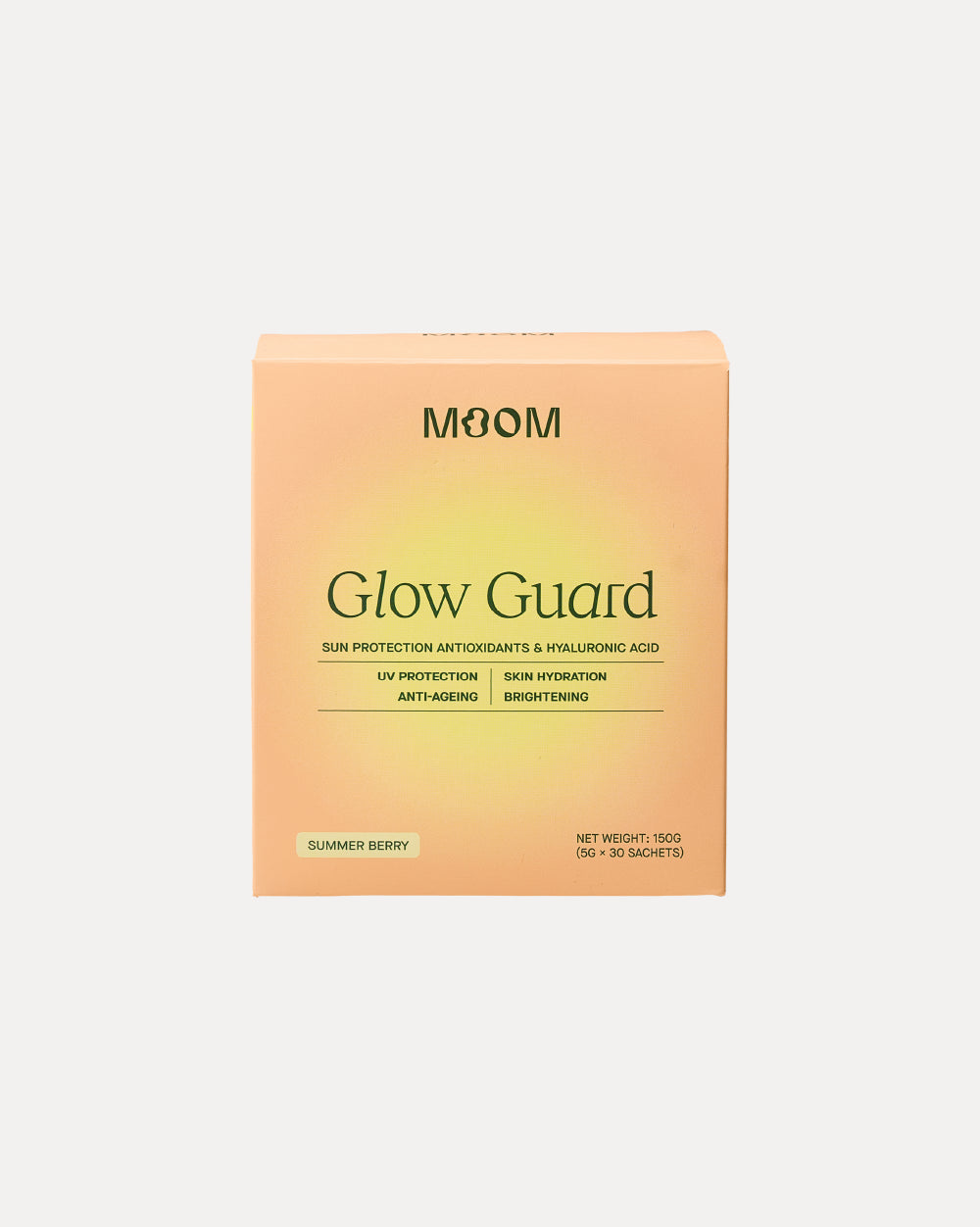




When preparing for a new arrival, the focus often shifts entirely to the baby’s development. However, supporting the mother’s physical foundation is just as vital. Pregnancy puts unique demands on the body’s structural integrity, from the stretching of skin to the loosening of ligaments. This is where collagen—the body’s most abundant protein—comes into play.
What is Collagen and Why Does it Matter?
Collagen acts as the "glue" that holds the body together. It is a fibrous protein found in connective tissues, skin, tendons, and bones. Think of it as the scaffolding of the human frame; without it, we would quite literally fall apart.
During pregnancy, the demand for this protein increases significantly. As the body grows to accommodate a new life, it relies on collagen to maintain the strength and elasticity of tissues.

While the body produces it naturally, the internal "supply chain" can sometimes struggle to keep up with the rapid physical changes, leading many to consider a collagen supplement pregnancy option to bridge the gap. This isn't about vanity; it’s about providing the raw materials necessary for a body that is working overtime.
The Role of Collagen in Pregnancy
The presence of collagen is felt in almost every physical transition a woman undergoes while expecting. It isn't just a "beauty supplement" for hair and skin; it is a functional protein that supports the metabolic and structural shifts required to carry a child to term.
Collagen and Skin Health
The skin is perhaps the most visible indicator of the body's collagen levels. As the abdomen expands, the dermis (the middle layer of skin) must stretch significantly. If collagen levels are sufficient, the skin maintains better resilience. This protein allows the skin fibers to slide over one another without snapping, which is essential for comfort as the baby grows.
Collagen for Joint and Ligament Health
During pregnancy, the body releases a hormone called relaxin. This hormone softens the ligaments to prepare the pelvis for childbirth. While necessary, this can lead to instability or discomfort in the hips and lower back.
Collagen provides the structural framework for these ligaments, helping to maintain a baseline of support even as they become more flexible. It acts as a safety net for the joints that are suddenly carrying a different center of gravity.
Collagen for Bone and Cartilage Support
Supporting the extra weight of a growing baby requires strong bones and healthy cartilage. Collagen provides the organic matrix upon which minerals are deposited, ensuring that the skeletal system remains robust throughout the third trimester. It also cushions the joints, specifically the knees and ankles, which often bear the brunt of pregnancy-related weight gain.
Benefits of Collagen Supplements During Pregnancy
Many women turn to external sources to ensure they are meeting their nutritional needs. Integrating collagen supplements during pregnancy can offer several targeted benefits for both comfort and confidence.
Skin Elasticity and Stretch Marks Prevention
While genetics plays a major role in stretch marks, skin hydration and elasticity are key environmental factors. Supplementing helps maintain the moisture barrier and the "snap-back" quality of the skin.
- Deep Hydration: Collagen helps the skin cells retain moisture from within.
- Fiber Strength: Supports the elastin fibers that prevent tearing in the deeper layers of the skin.
- Widespread Support: This doesn't just apply to the belly; it also helps with the skin on the breasts and thighs, which undergo similar changes.
Joint and Ligament Flexibility
The physical toll of carrying extra weight can lead to "pregnancy aches." By supporting the connective tissues, collagen can make daily movement feel more fluid and less taxing on the frame.
- Reduced Friction: Helps keep joint surfaces smooth by supporting the synovial fluid.
- Structural Integrity: Supports the tendons connecting muscle to bone, which can become strained.
- Stability: Assists in managing the pelvic shifts that occur in the later stages of gestation.
Support for Hair and Nails
It is common to hear about the "pregnancy glow," but hormonal shifts can also make hair and nails brittle for some. Collagen contains the amino acids—specifically proline and glycine—necessary to build keratin, the primary protein in hair and nails. Regular intake can help maintain thickness and prevent the common "shedding" phases that some women experience during or shortly after the prenatal period.

Promoting Postpartum Recovery
The benefits of a collagen supplement pregnancy routine extend well beyond the delivery room. The body needs an immense amount of protein to repair tissues, heal incisions (if applicable), and restore muscle tone after birth. Having a steady intake during pregnancy can help build those internal reserves for the "fourth trimester." It assists in the "remodeling" of the uterus as it returns to its original size and supports the pelvic floor tissues as they begin their recovery.
Types of Collagen Supplements for Pregnancy
Not all supplements are created equal, and understanding the differences helps in making an informed choice for general wellness. Quality matters more than marketing when you are eating for two.
Hydrolyzed Collagen
Also known as collagen peptides, this is the most common form found in powders. The protein has been broken down into smaller, easier-to-digest chains through a process called hydrolysis. This makes it highly bioavailable, meaning the body can absorb and use it more efficiently than standard protein sources. For a pregnant woman whose digestion might be slowed down, this "pre-digested" form is much easier on the stomach.
Types of Collagen to Look for (Types I, II, and III)
There are at least 16 types of collagen in the human body, but most supplements focus on the first three, which make up the vast majority of our structure.
- Type I: The most abundant type, best for skin, hair, and bone health.
- Type II: Found mostly in cartilage; specifically targets joint health and "cushioning."
- Type III: Found in muscles, organs, and blood vessels, often working alongside Type I for skin elasticity.
Collagen-Rich Food vs. Supplements
While collagen supplements and pregnancy are a popular pairing, natural food sources are also valuable for a well-rounded diet.
- Bone Broth: Simmering animal bones extracts natural collagen, gelatin, and minerals like magnesium and calcium.
- Slow-Cooked Meats: Cuts with plenty of connective tissue (like chuck roast or oxtail) are high in natural collagen.
- Egg Whites: Contain large amounts of proline, one of the amino acids necessary for collagen production.
- Vitamin C Foods: Citrus, strawberries, and leafy greens are essential because Vitamin C acts as a mandatory co-factor for the body to actually synthesize collagen.
How to Safely Incorporate Collagen Supplements During Pregnancy

Safety is the priority when adding anything new to a prenatal routine. While collagen is generally recognized as a food-based protein, a thoughtful approach is necessary.
Dosage and Safety Guidelines
When considering collagen supplements during pregnancy, the focus should be on high-quality, clean ingredients. Since the FDA does not regulate supplements the same way it does medication, looking for third-party testing (like NSF or USP) is a smart move. This ensures the product is free from heavy metals or contaminants that could be harmful to a developing baby. Generally, a single scoop of 10 to 20 grams is the standard, but it's more about consistency than high volume.
Choosing the Right Collagen Supplement
The market is flooded with options, so it helps to narrow things down by looking for specific markers of quality that prioritize purity.
- Grass-Fed or Wild-Caught: Look for bovine or marine sources that are ethically and cleanly sourced to avoid added hormones or antibiotics.
- Unflavored Options: These are easier to mix into smoothies, soups, or even coffee, especially if you are dealing with pregnancy-related food aversions or "morning sickness."
- No Added Sugars or Fillers: Avoid "gummy" versions that may contain high amounts of glucose or artificial sweeteners that offer no nutritional value.
Combining Collagen with Other Pregnancy Supplements
Most women are already taking a prenatal vitamin. Collagen supplements and pregnancy vitamins can work well together, as the collagen provides the amino acids while the prenatal provides the vitamins (like C and Zinc) needed to process that protein. It is always wise to keep a simple log of what you are taking to share with a healthcare provider during check-ups to ensure you aren't overdoing any specific nutrient.
Enhancing Bioavailability Through Lifestyle
Supplements work best when supported by a healthy lifestyle. To get the most out of your collagen supplements during pregnancy, consider how other factors influence protein synthesis. Hydration is paramount; collagen needs water to keep tissues plump and elastic. Furthermore, avoiding excessive sugar intake is beneficial, as high blood sugar can lead to a process called glycation, which actually breaks down collagen fibers.
The Role of Amino Acids
Collagen is made up of specific amino acids like glycine, proline, and hydroxyproline. While a supplement provides these directly, a diet rich in diverse protein sources—like beans, lentils, poultry, and fish—ensures that your body has a full "alphabet" of amino acids to build whatever proteins it needs most at that moment, whether it's for the baby's growth or your own tissue maintenance.
Why Quality Matters More Than Quantity
When it involves collagen supplements and pregnancy, "more" isn't always "better." The body can only process a certain amount of protein at once. It is more effective to maintain a consistent, moderate intake rather than consuming large amounts sporadically. Consistency allows the body to maintain a steady pool of amino acids available for tissue repair and growth.
Using collagen supplement pregnancy routines is a proactive way to care for the physical "container" that is doing the hard work of growing a human. Whether the goal is to keep skin supple, protect joints from the strain of weight gain, or ensure a smoother recovery after the baby arrives, collagen provides a natural, food-based foundation for wellness.
Summary of Benefits for the Expectant Mother
- Structural Support: Maintains the integrity of skin, ligaments, and the pelvic floor.
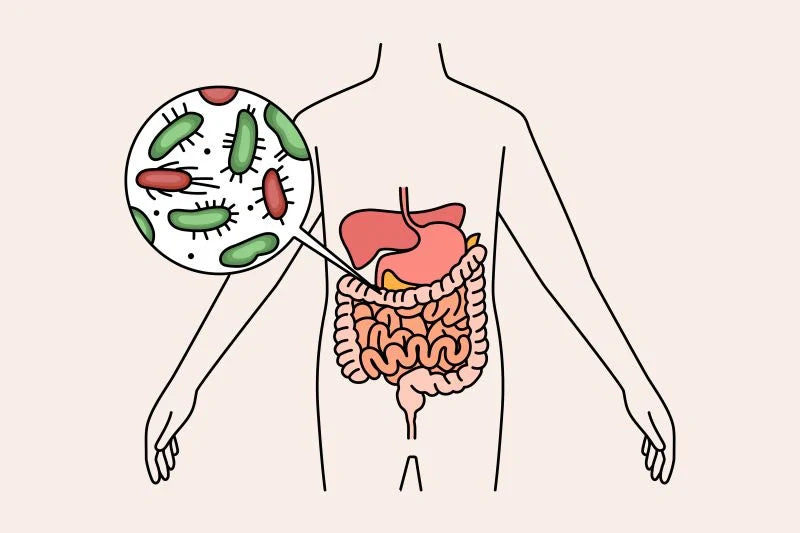
- Digestive Health: Some find collagen soothing for the gut lining, which can be sensitive or prone to "leaky gut" issues during the hormonal shifts of pregnancy.
- Post-Baby Resilience: Sets the stage for faster tissue repair and muscle recovery during the postpartum period.
- Sleep and Mood: Glycine, a major component of collagen, is known to have a calming effect on the nervous system, which may assist with the restlessness common in later pregnancy.
While pregnancy is a fleeting season, the way you support your body during these nine months can impact your long-term health. By focusing on fundamental building blocks like collagen, you aren't just supporting a healthy pregnancy; you are investing in your own strength for the years of motherhood ahead. Taking care of yourself is, in turn, the best way to take care of your baby.


发表评论
此站点受 hCaptcha 保护,并且 hCaptcha 隐私政策和服务条款适用。