





Becoming a mom changes a person's life. The moment you see that positive test, your whole world starts to revolve around keeping that little life safe and healthy inside you. Eating well is key to a healthy pregnancy, but growing a baby takes a lot out of your body, so you might need some extra help.
That's where supplements come in. But not all supplements are the same. Picking natural prenatal vitamins can boost how a mom feels and how her baby grows. When moms choose ingredients that come from real foods instead of a lab, their bodies can take in and use the nutrients much better.
The Foundation of Pregnancy Nutrition
What a mom eats during pregnancy has an influence on her baby long after birth. The food she consumes provides the raw materials for her baby's growth, including organs, bones, and nerves. At the same time, her body uses up its own nutrients, which can leave her feeling drained if she doesn't replace them.

Good nutrition can help reduce common pregnancy problems like extreme tiredness or fuzzy thinking. Also, eating the right foods helps the baby reach a healthy weight and hit important growth milestones later on. It's not just about eating more; it's about making sure every bite counts.
What Are Natural Prenatal Supplements?
Understanding what goes into a bottle is the first step toward making an informed choice for maternal health.
Definition and Composition
Unlike standard options found on most pharmacy shelves, natural prenatal supplements are derived from real, whole-food sources like organic fruits, vegetables, and herbs. These products aim to deliver vitamins in their most complex forms, often including the cofactors and enzymes that naturally occur in food to aid digestion.
Differences Between Natural and Synthetic Supplements
Synthetic supplements are created in a lab to mimic the chemical structure of vitamins. While they can be effective, they often lack the "package" that comes with nature. Natural versions are generally easier on the stomach, which is a major win for mothers dealing with morning sickness. They also avoid the artificial dyes, fillers, and coal-tar derivatives sometimes found in cheaper, mass-produced synthetic pills.
The Essential Nutrients for Pregnancy
Certain vitamins and minerals take center stage during pregnancy because of their specific roles in fetal growth.
Folic Acid vs. Folate: The Importance of Natural Sources
Many people use these terms interchangeably, but they are quite different. Folic acid is the synthetic version, while folate is the form found naturally in leafy greens and legumes. Some women have a genetic variation that makes it difficult to process synthetic folic acid. Opting for all-natural prenatal supplements that utilize "methylfolate" ensures the body can actually use the nutrient to prevent neural tube defects.
Iron and Calcium for Maternal and Fetal Health
Iron is vital for the increased blood volume required during pregnancy, while calcium protects the mother’s bone density as the baby develops its skeletal system. Natural sources of iron, such as those derived from curry leaves or non-constipating plant extracts, are much gentler on the digestive tract than the heavy metallic salts often used in synthetic brands.
Omega-3 Fatty Acids for Brain and Eye Development
DHA and EPA are crucial for a baby’s cognitive function and vision. While many get these from fish oil, natural options also include algae-based sources. These are excellent for avoiding the heavy metals often associated with large-sea fish and provide a clean, sustainable way to support a child’s neurological health.
Why Every Expectant Mother Should Consider Natural Prenatal Supplements
Choosing a plant-based or whole-food approach to supplementation offers several layers of protection and comfort.
Supporting the Immune System During Pregnancy
A woman’s immune system naturally shifts during pregnancy to protect the baby. Using all-natural prenatal supplements provides a spectrum of antioxidants and phytonutrients that help keep the mother’s defenses strong. Vitamins like Vitamin C from acerola cherries or Zinc from organic seeds are highly bioavailable, helping to ward off seasonal bugs without harsh additives.
Reducing the Risk of Pregnancy Complications
Consistent intake of high-quality nutrients is linked to better outcomes. Natural sources of Magnesium, for example, can help maintain healthy blood pressure levels and reduce the occurrence of leg cramps. When the body receives nutrients in a form it recognizes, it can regulate these processes more efficiently, leading to a smoother experience from the first trimester to the third.
Minimizing Exposure to Toxins and Chemicals
The "clean label" movement is especially important for pregnant women. Many synthetic vitamins contain "other ingredients" like magnesium stearate, silicon dioxide, or artificial colors (like Red 40). By choosing natural prenatal supplements, parents-to-be can avoid these unnecessary chemicals, ensuring that only pure, beneficial compounds reach the developing fetus.
Enhancing Maternal Health and Well-Being

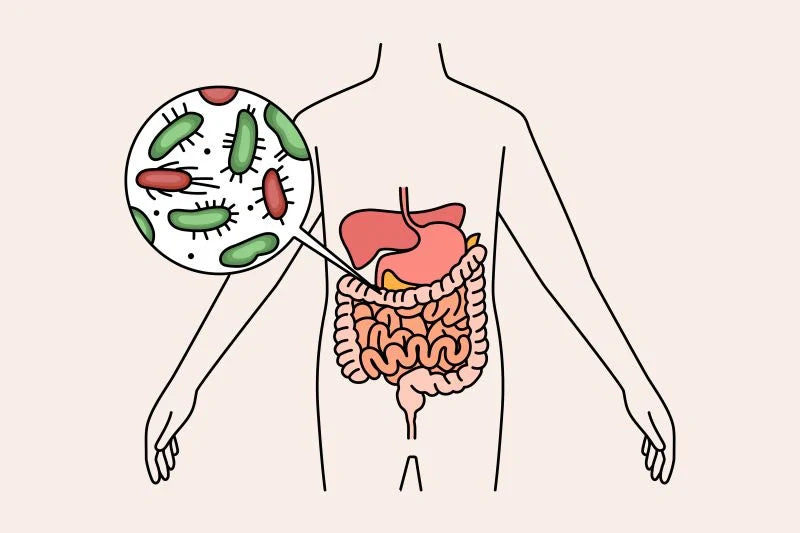
Pregnancy is physically demanding, but it shouldn't feel like a constant struggle. Natural supplements often include "bonus" ingredients like ginger or peppermint to soothe nausea, or probiotics to support gut health. When a mother feels physically supported, her mental well-being improves, allowing her to focus on the joy of her pregnancy rather than the discomfort.
- Better Digestion: Whole-food vitamins are less likely to cause constipation or nausea, common with synthetics.
- Sustained Energy: B-vitamins from natural sources help convert food into energy more steadily throughout the day.
- Healthier Skin and Hair: Nutrients like Biotin and Vitamin E from food sources support the "pregnancy glow."
Real-Life Benefits: Evidence and Experiences
The shift toward cleaner supplementation isn't just a trend; it's a choice backed by the experiences of countless women and a growing body of research.
Experiences from Expectant Mothers
Many women report a noticeable difference when switching from a standard synthetic vitamin to all-natural prenatal supplements. Common feedback includes a significant reduction in the "metallic" aftertaste and a decrease in the stomach upset that often follows a morning pill. Mothers often feel more confident knowing they aren't consuming artificial fillers while trying to provide the best start for their children.
Research Backing the Benefits of Natural Supplements
Studies in nutritional science suggest that the bioavailability of food-based nutrients is often superior. For example, Vitamin E in its natural form (d-alpha-tocopherol) is retained in body tissues much better than the synthetic version (dl-alpha-tocopherol). This higher retention means the baby gets a more consistent supply of the nutrients needed for cell growth and protection.
Common Benefits of Choosing Natural Options:
- High Bioavailability: The body recognizes and uses the nutrients more effectively.
- No Artificial Additives: Eliminates exposure to dyes and chemical preservatives.
- Whole-Food Co-factors: Includes the enzymes necessary for proper vitamin absorption.
Summary of Benefits for Mother and Baby

The decision to use natural options is an investment in the health of two people at once. For the baby, it means a steady supply of high-quality building blocks without the interference of synthetic chemicals. For the mother, it means a more comfortable pregnancy, better energy levels, and the peace of mind that comes from choosing purity.
By focusing on folate over folic acid, plant-based minerals, and clean-label ingredients, expectant mothers can navigate their nutritional needs with confidence. While every pregnancy is unique, the principle of "food-first" nutrition remains a gold standard. Choosing supplements that honor that principle is a beautiful way to start the journey of parenthood.
Key Takeaways for Your Pregnancy:
- Prioritize folate from natural sources for better absorption.
- Look for "whole-food" labels to ensure the vitamins come from real produce.
- Avoid supplements with artificial colors or chemical fillers.


Leave a comment
This site is protected by hCaptcha and the hCaptcha Privacy Policy and Terms of Service apply.